
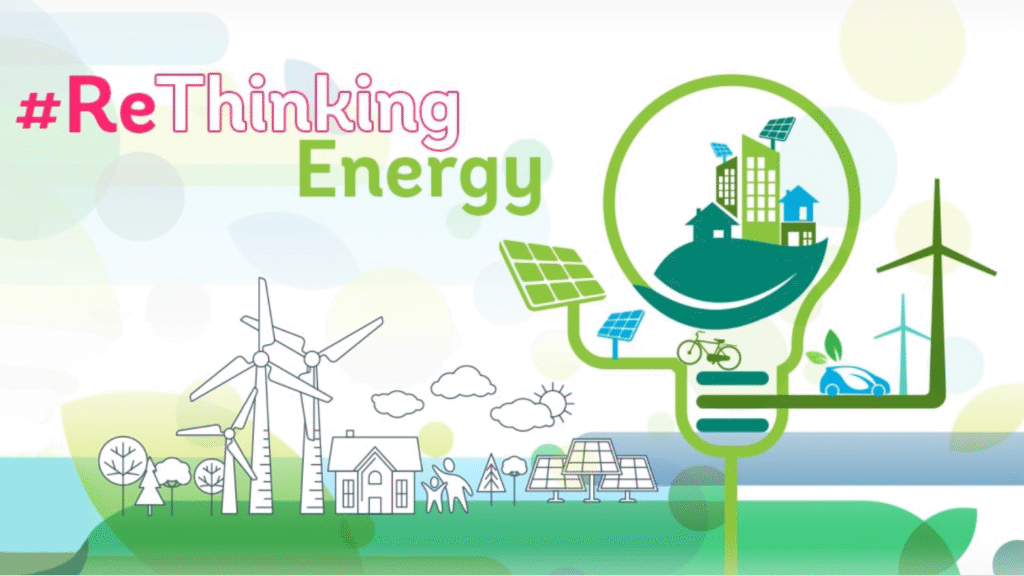
A global shift toward clean, resilient and affordable energy systems is emerging as a defining priority for governments, industries and scientific communities. Reports from the International Energy Agency and the UN Environment Programme highlight that existing fossil-fuel-based pathways are incompatible with long-term ecological stability, making energy transformation central to climate resilience, public health and economic security. Rapid advances in renewable technologies, grid digitization and efficiency standards are accelerating this transition, yet progress remains uneven and constrained by legacy infrastructure and investment gaps.
The rise of solar and wind power demonstrates how innovation can rewrite energy economics. The International Renewable Energy Agency notes that the cost of solar PV has fallen dramatically over the last decade, enabling broader deployment across continents. Growth in battery storage, power-to-X technologies and green hydrogen offers pathways to decarbonize sectors historically dependent on fossil fuels, including heavy industry, chemicals and long-distance transport. Strengthening grid flexibility through digital monitoring and advanced forecasting is becoming vital as energy systems integrate higher shares of variable renewables.
A global rethinking of energy also requires transparent governance and equitable access. Studies by the World Bank emphasize that nearly 700 million people still lack electricity, and climate-related disruptions disproportionately affect the poorest communities. Ensuring energy justice means embedding affordability, reliability and environmental safeguards into every policy and investment decision.
India illustrates how large emerging economies are reframing energy choices. With rapid expansion of renewable capacity, national solar missions and significant improvements in energy efficiency, India is demonstrating how clean energy can support industrial growth, improve air quality and strengthen long-term sustainability objectives. These shifts reflect a broader recognition that clean energy is essential to national development priorities.
Looking ahead, global energy systems must evolve toward integrated, low-carbon and adaptive architectures. Long-term strategies that prioritize innovation, cross-border collaboration, resilient supply chains and nature-aligned infrastructure can help power economic opportunity without jeopardizing planetary boundaries. Rethinking energy is no longer simply a technological challenge; it is a structural transformation shaping the future of prosperity and environmental stability.
Sources: