
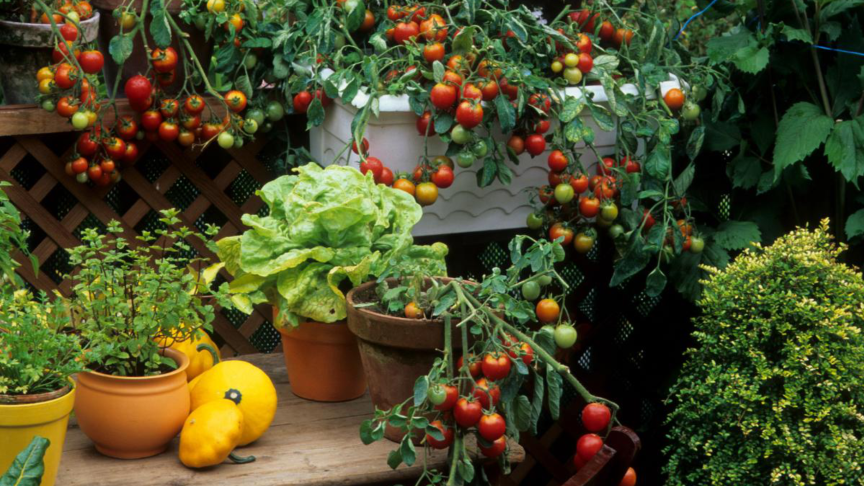
Urban gardening (or urban agriculture) is the practice of growing fruits, vegetables, herbs, and other edible plants within cities and densely populated areas. With over half of the world’s population living in urban areas and food systems under pressure from climate change and supply-chain disruptions, urban gardening is gaining attention as a sustainable strategy for food security and healthier cities.
Globally, organizations like the Food and Agriculture Organization (FAO) highlight that urban and peri-urban agriculture (UPA) can strengthen local food systems by making fresh produce accessible close to people, reducing transportation emissions and supporting resilience in supply. UPA contributes to sustainable agri-food systems, improved nutrition, and better environmental outcomes when included in planning. Cities like Rosario in Argentina have been recognized for urban farming initiatives that boost food security, create livelihoods, and help adapt to climate change by repurposing unused plots for community gardens.
Urban gardens bring ecological benefits—including increasing green cover, supporting pollinators, moderating heat islands, and improving air quality—and social advantages such as community engagement and education. Small-scale food production in cities supplements rural agriculture with fresh, nutrient-rich food while using underused spaces like rooftops, balconies, and vacant lots.
In India, urban gardening is emerging as a grassroots and policy focus. Residents are transforming rooftops and balconies into productive gardens, cultivating vegetables, herbs, and greens to improve nutrition and reduce household costs. Initiatives like “Basti Gardens of Hope” in Delhi encourage families in high-density neighborhoods to grow their own produce, boosting food access and community bonds. State governments support rooftop gardening schemes, offering technical help and training to city dwellers. Urban farming startups in Indian metros are using vertical gardening, hydroponics, and community plots to grow food in limited spaces.
Urban gardening isn’t just a hobby—it is a practical, community-driven approach that strengthens local food systems and promotes healthier diets. By transforming underutilized urban spaces into productive gardens, cities can become greener, sustainable, and resilient to climate change. With consistent effort, urban gardening empowers communities worldwide to take control of food security while fostering environmental stewardship.
SOURCES:
- https://www.fao.org/urban-peri-urban-agriculture/en
- https://www.reuters.com/world/argentinian-city-wins-global-prize-urban-farming-project-2021-06-29/
- https://timesofindia.indiatimes.com/city/delhi/green-shoots-in-grey-spaces-basti-gardens-sprout-change/articleshow/124031223.cms
- https://timesofindia.indiatimes.com/city/lucknow/soon-rooftop-gardening-in-urban-areas/articleshow/123874574.cms