
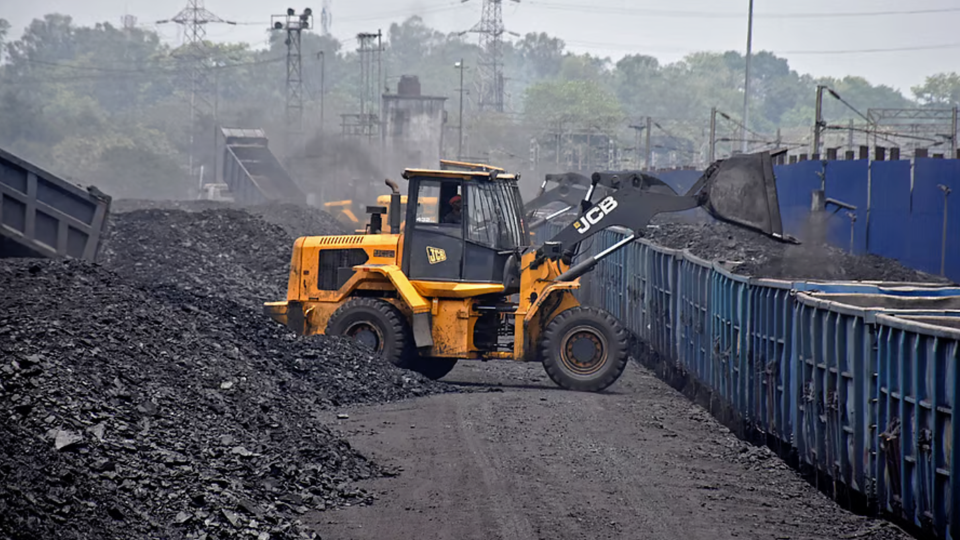
Across India’s coal belt, landscapes once defined by extraction are beginning to tell a different story. When coal mining ceases, what remains are open pits, overburden dumps, and altered ecosystems. For decades, mine closure meant securing the site and leaving the land to recover slowly. Today, however, the focus is shifting toward sustainable reclamation—a deliberate process of restoring ecological balance and returning these lands to productive use.
India’s policy framework increasingly reflects this shift. The Ministry of Coal’s Guidelines for Preparation of Mining Plan and Mine Closure Plan for Coal and Lignite Blocks – 2025 emphasize scientific mine closure, ecological restoration, and sustainable land reuse after mining operations end. These guidelines encourage coal companies to integrate reclamation into the life cycle of mining itself, ensuring rehabilitation begins before the final tonne of coal is extracted.
One of the most visible aspects of this transition is large-scale ecological restoration. According to the Ministry of Coal’s annual reports, coal public sector enterprises have brought thousands of hectares of mined land under green cover through plantation and bio-reclamation initiatives. Overburden dumps—once barren piles of mining debris—are now stabilized through vegetation and soil management practices that gradually improve fertility and support biodiversity. Such efforts transform degraded terrain into functioning ecological spaces.
Water restoration is another emerging dimension. Several reclaimed mine pits are being converted into reservoirs that help recharge groundwater, support fisheries, and provide irrigation for nearby villages. By integrating water management with land rehabilitation, reclaimed mines are becoming assets rather than liabilities in water-stressed regions.
Equally important is the role of local communities in shaping post-mining landscapes. The government’s RECLAIM framework encourages stakeholder participation in planning the future of closed mines, ensuring that reclaimed land can support livelihoods through agriculture, forestry, or eco-tourism initiatives.
Sustainable reclamation is therefore redefining the afterlife of India’s coal mines. Instead of abandoned industrial spaces, these sites are gradually being reimagined as restored ecosystems and community resources. In doing so, reclamation transforms the end of mining into the beginning of environmental renewal.
Sources:
- https://www.pib.gov.in/PressReleseDetailm.aspx?PRID=2152983®=3&lang=2
- https://coal.gov.in/sites/default/files/2024-07/chap7AnnualReport2024en2.pdf
- https://coal.gov.in/sites/default/files/2025-02/chap7AnnualReport2025en2.pdf
- https://india.mongabay.com/2024/08/coal-mining-degraded-35-of-native-land-cover-in-indias-eastern-coal-belt/