
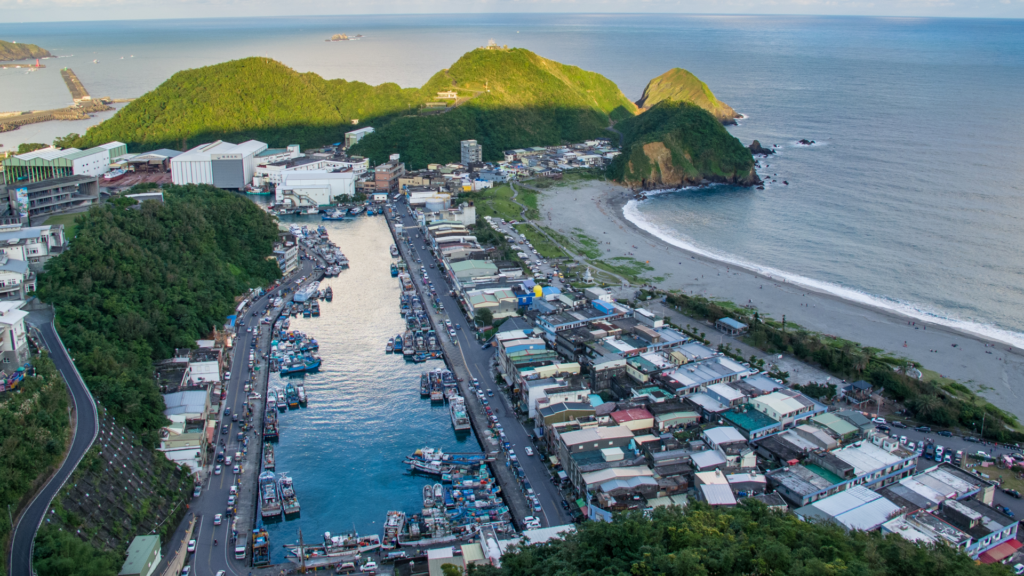
Coastal ecosystems are among the most productive and valuable natural systems on Earth, supporting biodiversity, food security, livelihoods, and climate regulation. Mangroves, coral reefs, salt marshes, and seagrass meadows protect shorelines from erosion and extreme weather while sustaining fisheries and tourism. However, according to the United Nations Environment Programme (UNEP), these ecosystems are increasingly threatened by climate change, sea-level rise, pollution, habitat loss, and unplanned coastal development.
Sustainable coastal management seeks to balance environmental conservation with social and economic needs. At the global level, this approach is closely aligned with Sustainable Development Goal 14 (Life Below Water), which calls for the protection and restoration of coastal and marine ecosystems. International organisations such as UNEP, the Food and Agriculture Organization (FAO), and the World Bank emphasise ecosystem-based and adaptive management to ensure long-term resilience of coastal zones.
A key framework supporting these efforts is Integrated Coastal Zone Management (ICZM). ICZM promotes coordinated planning across sectors and governance levels, recognising the interconnections between land and sea. As highlighted by UNEP and the World Bank, ICZM helps reduce fragmented decision-making by integrating science, policy, and stakeholder participation to address challenges such as coastal erosion, flooding, biodiversity loss, and climate adaptation.
Nature-based solutions form a cornerstone of sustainable coastal management worldwide. Restoring mangroves, coral reefs, and wetlands enhances natural coastal defenses, supports carbon sequestration, and improves ecosystem resilience. The Intergovernmental Panel on Climate Change (IPCC) recognises these solutions as cost-effective strategies for climate mitigation and disaster risk reduction, particularly for vulnerable coastal communities.
In the Indian context, sustainable coastal management is guided by the Ministry of Environment, Forest and Climate Change through the Integrated Coastal Zone Management Project and Coastal Regulation Zone (CRZ) Notifications. Supported by the World Bank and institutions like the National Centre for Sustainable Coastal Management, these initiatives strengthen ecosystem conservation, hazard mapping, and community resilience along India’s 7,500-kilometre coastline.
Thus, sustainable coastal management—supported by ICZM, nature-based solutions, and strong institutional frameworks—is essential for protecting coastal ecosystems, enhancing climate resilience, and securing sustainable livelihoods for present and future generations.
SOURCES: