
Over the past three decades, the internet has functioned as humanity’s shared digital space—a network where people search for information, communicate, and conduct business. It has shaped how societies learn, trade, and collaborate. Yet the digital world is beginning to evolve beyond static websites and mobile apps. A new phase is emerging where the internet is no longer simply visited but increasingly experienced.
Artificial intelligence (AI) sits at the core of this transformation. Technologies developed by organizations such as OpenAI and accelerated through advanced computing platforms from NVIDIA are transforming how digital systems respond to human needs. Instead of merely retrieving information, intelligent systems now generate ideas, assist decision-making, and personalize digital interactions. In many ways, AI is becoming the invisible architecture of the new digital universe.
Alongside this intelligence layer, immersive environments are beginning to redefine how people inhabit digital space. Companies such as Meta Platforms are developing virtual worlds where individuals can gather, collaborate, and explore shared experiences in ways that resemble physical environments. Often described as the metaverse, these interconnected spaces extend the internet from flat screens into environments that feel spatial and social. Technology researchers at Gartner suggest that such environments may gradually reshape how people work and interact across digital platforms.
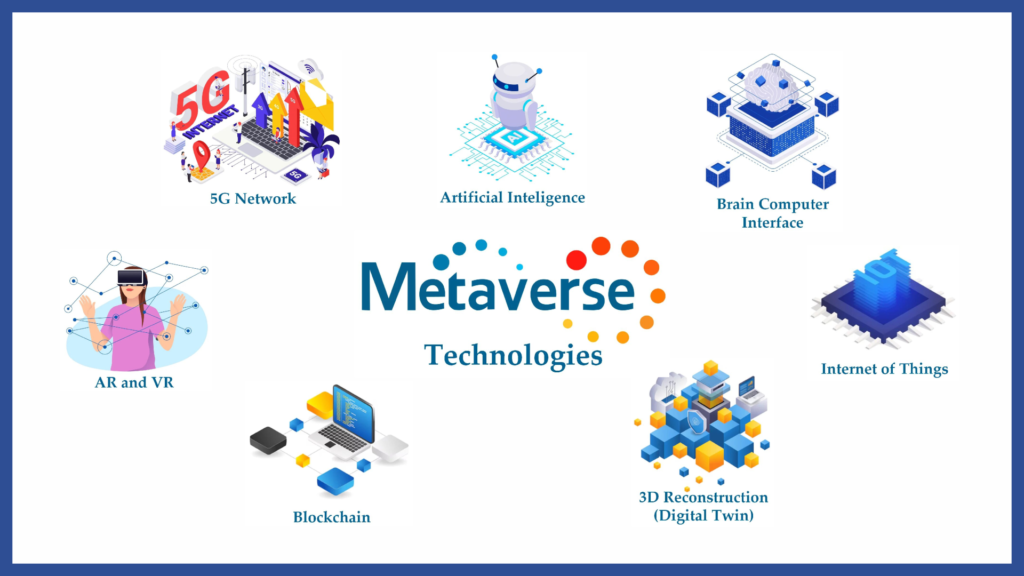
What makes this transformation significant is not a single technology but the convergence of many. AI, augmented reality, cloud infrastructure, and decentralized systems are beginning to operate together, forming ecosystems where digital identities and real-world activities intersect.
In India, this shift is unfolding within one of the world’s fastest-growing digital ecosystems. Supported by initiatives such as Digital India, startups and technology developers are experimenting with AI-driven services, virtual learning platforms, and immersive commerce models, positioning India as an important participant in the evolving digital environments.
The next stage of the internet will likely not replace the current one. Instead, it will extend it—adding intelligence, immersion, and continuity to the spaces where people already connect. In this evolving digital universe, technology is not simply building new tools; it is redefining the environments where modern life unfolds.
SOURCES:
- https://www.mckinsey.com/capabilities/quantumblack/our-insights/the-economic-potential-of-generative-ai-the-next-productivity-frontier
- https://www.gartner.com/en/newsroom/press-releases/2022-02-07-gartner-predicts-25-percent-of-people-will-spend-at-least-one-hour-per-day-in-the-metaverse-by-2026
- https://www.niti.gov.in/sites/default/files/2019-01/NationalStrategy-for-AI-Discussion-Paper.pdf