

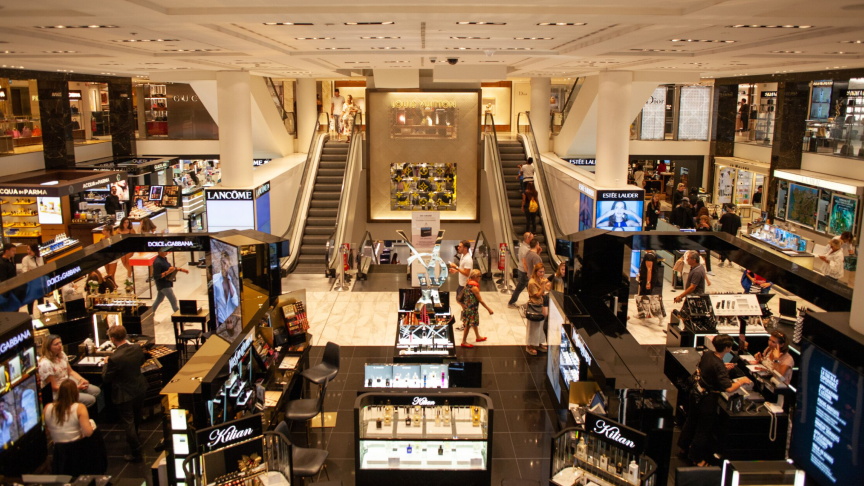
The store has traditionally been a place to browse products, compare choices, and complete a purchase. Its role was straightforward: attracting shoppers to products and converting their visits into purchases. Today, that model is changing. Physical retail is becoming a place people visit for the experience itself, giving stores a role beyond selling.
As online shopping makes purchases easier, physical spaces must offer what digital channels cannot reproduce. Experiential retail allows customers to touch, test, explore, learn, and interact with products and brands. Demonstrations, immersive displays, and workshops transform shopping from a task into an occasion. The store becomes a reason to visit rather than somewhere to buy.
This shift changes how customers spend time inside retail spaces. A store can become a place for discovery, interaction, and community. Sporting retailers, for instance, can allow shoppers to test products through activities, while other formats can bring together retail, hospitality, entertainment, and cultural experiences. Such spaces invite customers to linger, participate, and build associations with a brand. The physical environment becomes part of the brand, shaping memories that digital transactions rarely create.
Technology is reinforcing this transformation by making physical experiences more engaging. Digital product information, interactive displays, personalized recommendations, and connected services can complement human assistance. Stores are becoming environments where digital convenience and physical discovery work together, allowing customers to move between browsing and purchasing.
India reflects this transition. Experience-led consumption is encouraging retailers and shopping destinations to look beyond product-led formats. Dining, entertainment, immersive activations, and localized experiences are increasingly becoming part of the retail proposition, helping physical spaces create reasons for consumers to visit and stay.
This reflects a change in what a store means. Its value is no longer measured only by the products sold within its walls, but also by the experiences created around them. The destination store does not replace the traditional store; it expands its purpose. In a world where convenience is increasingly available online, physical retail must offer something more enduring: a place to discover, participate, connect, and return.
SOURCES:
- https://www.mckinsey.com/industries/retail/our-insights/shopping-in-the-age-of-ai-redefining-stores-for-a-new-era
- https://www.deloitte.com/in/en/about/press-room/indian-consumers-prioritise-value-conscious-purchases-with-a-surge-in-experiential-spending.html
- https://thisishmy.com/blog/retail-trends/retail-trends/