

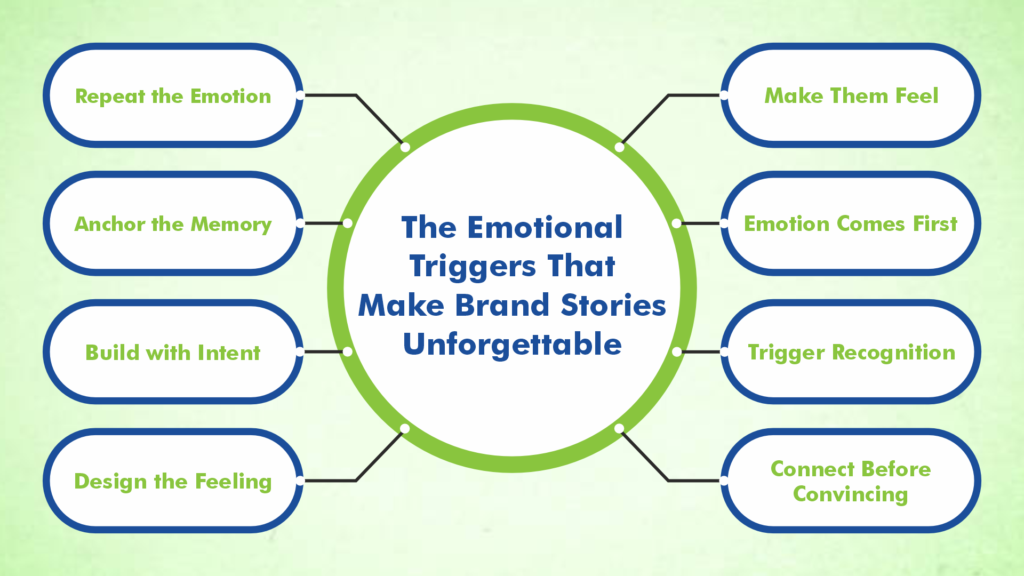
In crowded marketplaces where features and prices are easily replicated, what truly differentiates a brand is not what it sells, but what it makes people feel. Brand storytelling has emerged as a powerful tool that transforms transactions into relationships, shifting the focus from products to emotions, values, and shared meaning.
At its core, storytelling humanizes brands. Research by the Harvard Business Review highlights that emotionally connected customers are more than twice as valuable as highly satisfied customers, as they demonstrate stronger loyalty and advocacy. Stories—whether rooted in purpose, origin, or customer experience—create this emotional bridge. They allow consumers to see themselves in the brand narrative, making the act of purchase feel personal rather than purely functional.
Globally, some of the most enduring brands have mastered this approach. Nike does not merely sell shoes; it tells stories of perseverance and human potential. Similarly, Apple Inc. frames its products within narratives of creativity, individuality, and innovation. These brands succeed not because of superior specifications alone, but because they tap into universal emotions—aspiration, identity, and belonging. Ads with strong emotional content outperform purely informational ones in recall and purchase intent.
In the Indian context, storytelling often draws from cultural depth and collective memory. Brands like Tata Group and Amul integrate trust, legacy, and social relevance into their narratives. Campaigns frequently reflect festivals, family values, and social humor, creating familiarity and emotional resonance among diverse audiences. This localized storytelling strengthens brand affinity in a market where emotional and cultural alignment significantly influences consumer behavior.
However, effective storytelling is not about exaggeration—it is about authenticity. Consumers today are highly perceptive; they seek consistency between what brands say and what they do. A compelling story must therefore be grounded in genuine values and delivered consistently across touchpoints.
As markets continue to evolve, the brands that endure will be those that move beyond selling products to crafting experiences that people remember and share. In this sense, storytelling is not just a marketing strategy—it is the essence of how modern brands build meaning in a connected world.
SOURCES: