

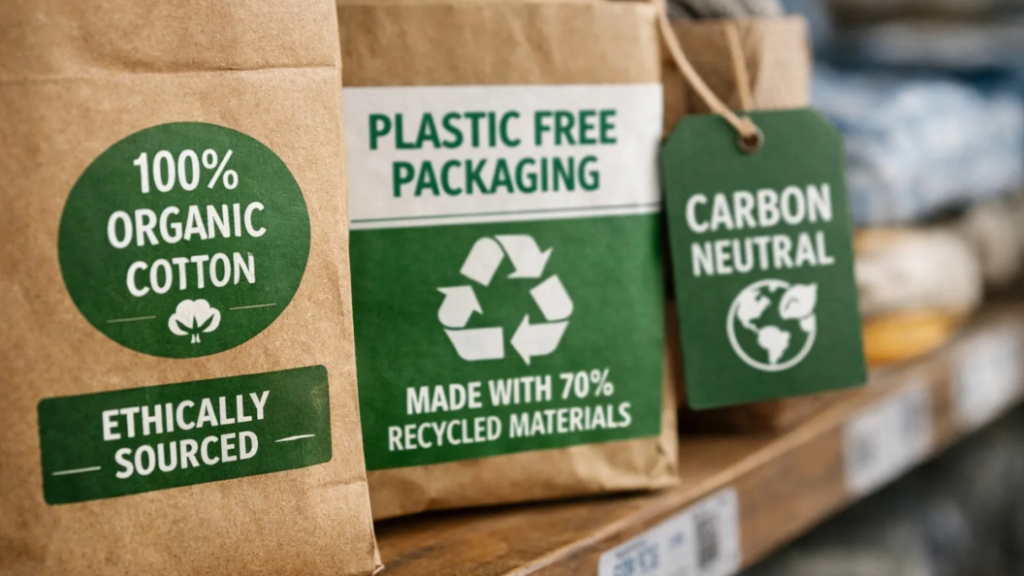
For years, sustainable consumption was associated with what appeared on the shelf: recycled packaging, natural materials, eco-friendly labels and claims of responsible production. But as awareness has grown, the question is changing. It is no longer whether a product looks sustainable, but what lies behind it.
Product transparency is opening that hidden side of consumption. Information about where materials are sourced, where products are manufactured, how they move through supply chains and what happens after use is visible. QR codes, traceability systems and digital product information are helping consumers look beyond packaging and understand the journey a product takes before reaching their hands. Sustainability is therefore becoming less about a label and more about the evidence behind it.
This shift is particularly relevant in industries with complex supply chains. A garment may involve fibres from one region, processing in another and manufacturing somewhere else. Food, cosmetics and electronics can follow intricate journeys. When more of that journey becomes visible, consumers gain a clearer understanding of the environmental and social considerations connected to purchases. The product on the shelf becomes part of a story.
That visibility is also changing the relationship between consumers and brands. Businesses are increasingly expected to provide information that is clear and meaningful rather than relying on broad environmental claims. Yet more information does not automatically mean better choices. Data can be difficult to compare, disclosures can remain incomplete and sustainability claims still require scrutiny. Transparency matters most when information enables understanding rather than adding another layer of marketing.
This evolution reflects a wider change in sustainable consumption. Responsibility is gradually moving beyond choosing an “eco-friendly” product towards understanding how products are made, used and eventually discarded. Consumers are gaining greater visibility into the consequences of what they consume, while brands face expectations to make those consequences clearer.
Product transparency does not replace sustainability—it changes how it is understood. As products reveal more about the journeys behind them, sustainable consumption becomes less about accepting claims at face value and more about understanding what those products represent.
SOURCES: