

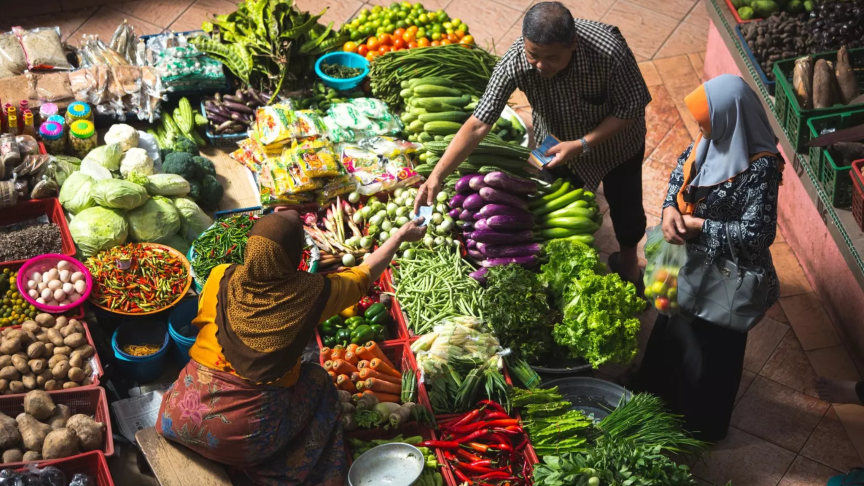
Food has always been about more than what reaches the plate. It connects farmers with markets, communities with landscapes, and everyday choices with the resources that sustain them. Yet climate change, biodiversity loss, water stress and supply-chain disruptions are testing these connections. The challenge is no longer to produce more food, but to rethink how the system can continue feeding people when conditions change.
That transformation begins with the way food is grown. Crop diversification, healthier soils, efficient water use and climate-resilient farming can help producers adapt while protecting the resources on which future harvests depend. Sustainable agrifood systems need to work with nature rather than against it, strengthening productivity without placing additional pressure on land, water and biodiversity.
But farms are only one part of the journey. Food must be stored, processed, transported, marketed and consumed, and weaknesses at any stage can affect the entire chain. Improved storage and cold-chain facilities, efficient logistics, digital technologies and measures to reduce food loss can make these connections stronger. The future therefore lies not in fixing stages, but in making the whole journey more adaptable.
India is already reflecting this shift. National initiatives supporting soil health, water-use efficiency, sustainable agriculture and climate-resilient farming are linking food security with environmental protection. These approaches are increasingly important as Indian agriculture faces changing rainfall patterns, rising temperatures and growing pressure on natural resources.
The transformation also changes the role of those beyond the farm. Governments shape policies and infrastructure; businesses influence production and distribution; consumers affect demand through what they purchase and waste. Bringing these decisions closer together can create food systems that respond to environmental and social pressures.
Redesigning food systems does not mean replacing everything that exists. It means strengthening the connections that sustain communities while preparing them for uncertainty. A resilient food system should protect livelihoods, reduce waste, conserve natural resources and keep nutritious food accessible. Its strength will not be measured only by how much it produces, but by how well it can adapt, recover and continue nourishing people into the future.
SOURCES: