

Click “Buy Now” and, for most of us, the story seems simple. A few steps on the screen, a payment, and then we wait for the package to arrive. Sometimes it takes a few days. Sometimes it arrives the very next day. What we rarely see is everything that happens in between.
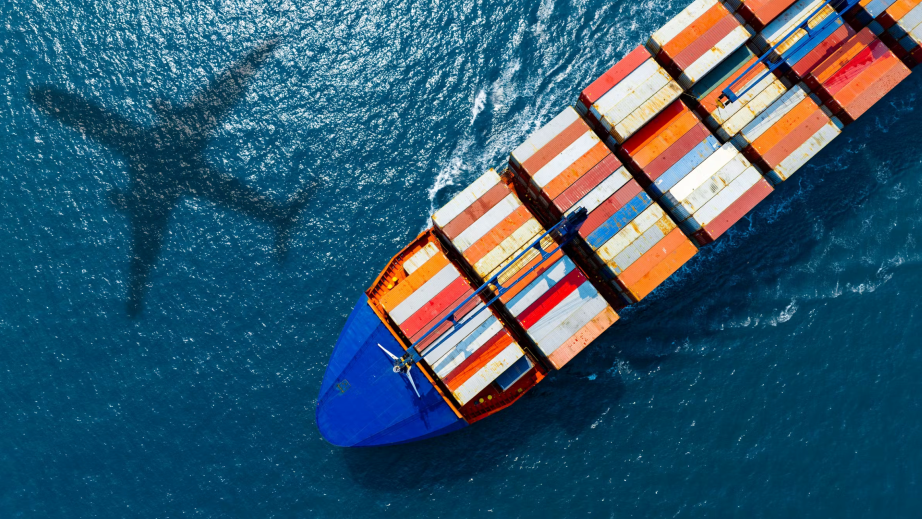
Before a parcel reaches our doorstep, it may pass through several warehouses, travel by ship or aircraft, move onto a train or truck, and then make its way through city streets in a delivery van or two-wheeler. Each step uses fuel or electricity, takes up space, and adds another part to the journey. The convenience is easy to notice. The environmental cost is much easier to miss.
That journey is possible because of a vast logistics network that connects factories, warehouses, ports, shops and homes across countries. Global trade depends on it. A product made on one side of the world can be sitting outside our door a few weeks later. But moving that many goods over such long distances comes with a cost. Freight transport is a major source of greenhouse gas emissions, and the demand for faster deliveries continues to put pressure on the system.
Then there is the last mile.
It sounds like the smallest part of the journey, but getting a parcel from a local distribution centre to an individual doorstep can be surprisingly complicated. A delivery vehicle may stop dozens of times on the same route, deal with traffic, return to the same neighbourhood several times a day, or make another trip because no one was home. One package may not seem like much, but multiply that by thousands of deliveries happening across a city every day and the numbers start to look very different.
This is one reason the delivery model itself is changing. Electric vans and two-wheelers are appearing on city roads, while software is helping companies plan routes and manage deliveries more efficiently. Some businesses are also placing warehouses and fulfilment centres closer to customers to shorten delivery distances. Even small changes in the way we order can make a difference. Choosing a standard delivery instead of an urgent one, combining several purchases into one shipment, or collecting a parcel from a nearby pickup point can reduce unnecessary trips.
India is seeing many of these changes at the same time as its e-commerce and logistics sectors expand. The PM Gati Shakti National Master Plan is aimed at improving coordination between different modes of transport and infrastructure, while investments in electric mobility and multimodal logistics are changing how goods move across the country. As online shopping reaches more consumers, the way products travel from warehouses to homes will become an increasingly important part of India’s transport story.
The problem is not that we order things online. Nor is it that goods need to move across countries. The bigger question is how efficiently we can move all those goods without using more resources than necessary.
A faster delivery is not automatically a better one. Sometimes, the more sensible choice is a slower route, a fuller vehicle, a shared delivery point, or one less trip across town. Behind every “Buy Now” button is a physical journey that someone, somewhere, has to make.
The future of logistics may therefore depend on finding a better balance between what customers want and what the planet can handle. Making that journey cleaner will require better vehicles, smarter systems and better planning, but it may also begin with something much simpler: understanding that convenience has a journey of its own.
SOURCES:
- https://theconversation.com/how-to-reduce-the-hidden-environmental-costs-of-supply-chains-259595
- https://www.techtarget.com/searcherp/feature/The-environmental-challenges-of-last-mile-delivery
- https://mahindralogistics.com/blogs/why-the-last-mile-has-become-a-crucial-link-in-sustainable-supply-chains/