

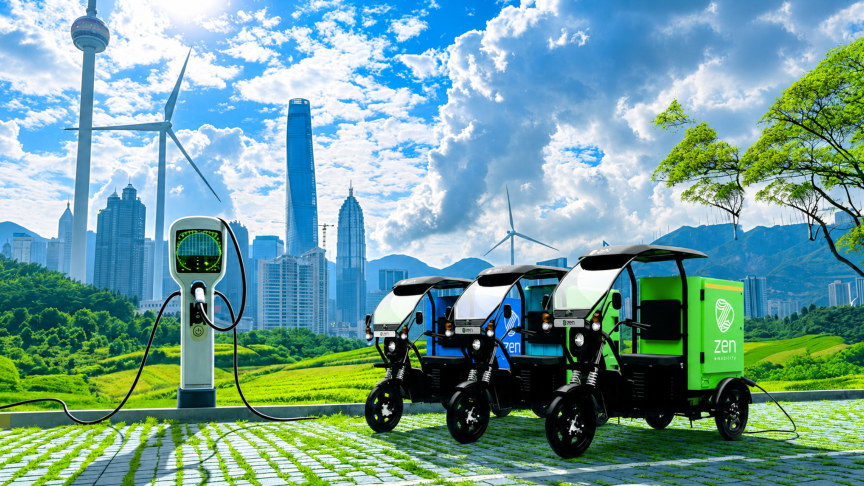
Electric vehicles have undoubtedly changed the conversation around sustainable transportation. They have shown that cleaner mobility is possible and accelerated the shift away from fossil fuels. Yet, as transport needs become more varied and complex, it is becoming clear that the future of clean mobility will not be defined by electric vehicles alone. It will instead depend on how emerging technologies complement one another to address diverse mobility needs.
This phase reflects a broader understanding of mobility. While battery-powered vehicles are well suited for passenger transport and short-distance travel, they are not the ideal solution for every journey. Long-haul freight, aviation and maritime transport demand greater range, faster refuelling and higher energy density than batteries can provide. Green hydrogen, sustainable biofuels and synthetic e-fuels are emerging as complementary solutions, helping reduce emissions where direct electrification remains challenging. According to the International Energy Agency, these sustainable fuels will play an important role alongside electrification in the years ahead.
Clean mobility is also evolving beyond the vehicles themselves. Digital technologies, connected transport systems and intelligent route planning improve efficiency by reducing congestion, optimising energy use and making transport networks more responsive. The focus is gradually shifting from adopting a single clean technology to creating an integrated mobility ecosystem where multiple solutions operate together.
In India, this transition is already taking shape. The National Green Hydrogen Mission is supporting the development of a domestic hydrogen ecosystem, while pilot projects involving hydrogen-powered buses, trucks and refuelling infrastructure are exploring the technology’s potential. Alongside the country’s growing electric mobility landscape, these efforts demonstrate a balanced strategy for reducing transport emissions while enhancing energy security.
The next wave of clean mobility is therefore not about moving beyond electric vehicles by replacing them. It is about building on their success with technologies that address different transport needs. As innovation continues to reshape mobility, the future will belong to an ecosystem where batteries, hydrogen, sustainable fuels and digital intelligence complement one another, creating a transport system that is cleaner, more resilient and prepared for the journeys ahead.
SOURCES:
- https://iea.blob.core.windows.net/assets/77a8c816-dc61-4668-b501-b1793a3ab2c7/DeliveringSustainableFuels.pdf
- https://www.ipcc.ch/report/ar6/wg3/chapter/chapter-10/
- https://www.ieabioenergy.com/wp-content/uploads/2020/11/Deployment-Barriers-and-Policy-Recommendations.pdf
- https://cdnbbsr.s3waas.gov.in/s3716e1b8c6cd17b771da77391355749f3/uploads/2023/01/2023012338.pdf