

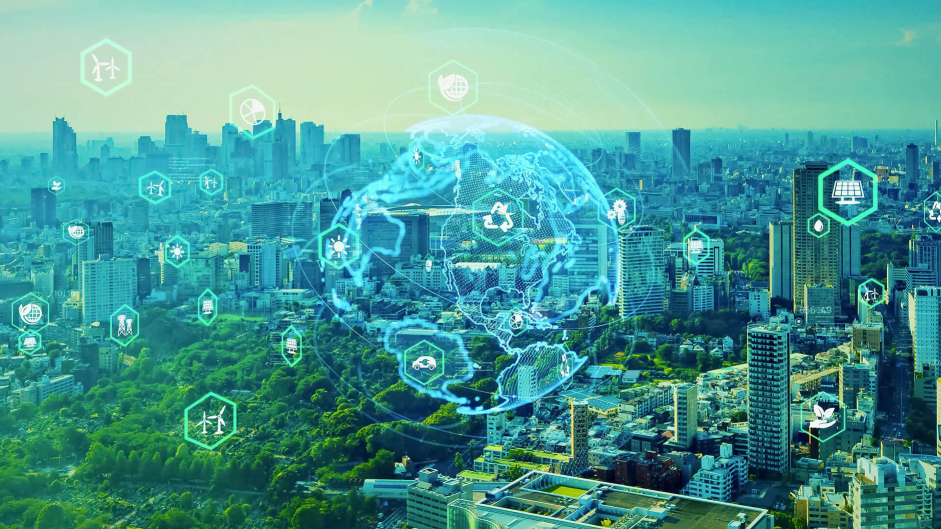
Environmental stewardship has always been rooted in observation. For generations, communities have relied on experience, scientific knowledge, and planning to understand changing landscapes, protect natural resources, and respond to environmental challenges. While these principles remain unchanged, their way they are put into practice is evolving. Today, artificial intelligence (AI) is becoming a partner in helping people recognise patterns once too complex to identify.
This shift reflects a transformation in how environmental decisions are made. The growing availability of satellite imagery, Internet of Things (IoT) sensors, and real-time environmental data has expanded our ability to understand ecosystems beyond what conventional methods could achieve. AI can analyse millions of data points, identify emerging trends, and forecast risks, enabling governments, businesses, and conservation agencies to detect deforestation, monitor air quality, anticipate floods and wildfires, and protect biodiversity before environmental damage becomes irreversible.
AI is reshaping the way natural resources are managed. Intelligent energy systems optimise renewable generation, precision agriculture helps farmers use water and fertilisers more efficiently, and predictive analytics enables industries to minimise waste and reduce emissions. Rather than viewing sustainability as a constraint, organisations are increasingly using AI to demonstrate that environmental responsibility and efficiency can reinforce one another, creating long-term value for business and society.
This transition is also becoming visible in India. Through initiatives such as the IndiaAI Mission and the National Mission on Sustainable Agriculture, AI is supporting climate-resilient farming, renewable energy forecasting, disaster preparedness, and smarter urban planning. As digital public infrastructure and geospatial technologies continue to expand, these efforts are strengthening evidence-based environmental governance while advancing India’s commitment to sustainable development and its net-zero target for 2070.
The intersection of AI and environmental stewardship is about enhancing, rather than replacing, human judgement. Technology alone cannot solve environmental challenges, but it can provide the clarity needed to make better decisions at the right time. As environmental priorities evolve, AI offers an opportunity to build a future where innovation and sustainability progress together, ensuring that economic growth and ecological resilience remain closely connected.
SOURCES: