

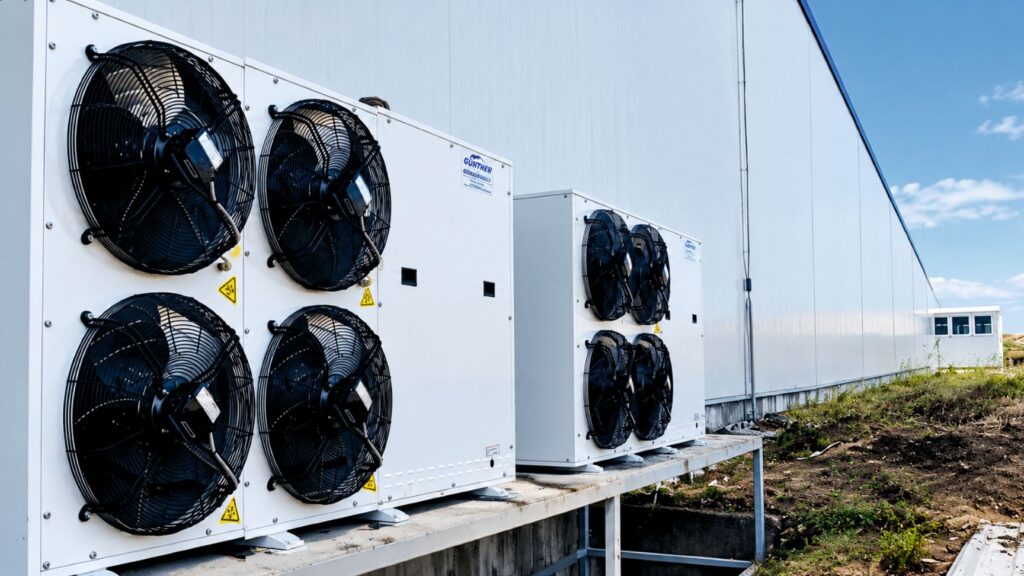
As temperatures increase, staying cool is becoming more than simply a matter of comfort. Homes, workplaces, hospitals, and schools depend on cooling to remain safe. Yet, behind the relief offered by air conditioners and refrigeration systems lies an environmental challenge. The very solutions that protect us from heat can also contribute to global warming.
The United Nations Environment Programme (UNEP) reports that cooling accounts for around one-fifth of global electricity consumption. As urbanisation accelerates and heatwaves intensify, demand for cooling is expected to increase substantially. This creates a difficult balance: expanding access to essential cooling while reducing emissions. For millions of people, particularly in vulnerable communities, affordable cooling is a necessity for health and productivity.
The challenge extends beyond electricity consumption. Conventional cooling equipment can release hydrofluorocarbons (HFCs), refrigerants that contribute to global warming when they leak into the atmosphere. Simply increasing the number of air conditioners is therefore not a sustainable response. A more effective approach requires reconsidering building design, equipment efficiency, and cooling needs.
Sustainable cooling offers a practical way forward. Better insulation, reflective roofs, natural ventilation, and strategically planted trees can reduce indoor temperatures without relying entirely on energy-intensive equipment. Efficient air conditioners, climate-friendly refrigerants, and improved maintenance can further reduce environmental impacts. Together, these measures can improve access to cooling while easing pressure on electricity systems and lowering household energy costs.
In India, rising temperatures and rapid urbanization make accessible, efficient cooling with reduced environmental impacts increasingly essential. Integrating sustainable cooling into urban planning can protect communities while reducing pressure on energy systems. Promoting affordable, energy-efficient cooling can also help vulnerable households cope with extreme heat.
Ultimately, sustainable cooling is about more than keeping temperatures comfortable. It is about creating environments where people can live, work, and remain healthy without placing additional pressure on the planet. As the world prepares for hotter years ahead, cooling must become an integral part of climate action. The goal is not simply to escape the heat, but to do so without making the world warmer.
SOURCES:
- https://www.iea.org/reports/energy-efficiency-2024/how-can-energy-efficiency-alleviate-rising-heatwave-driven-electricity-demand
- https://www.weforum.org/stories/sustainable-development/sustainable-cooling-refrigeration-climate-crisis
- https://www.unep.org/en/news-and-stories/story/what-you-should-know-about-sustainable-cooling