

Some products are made to serve a moment. Decorations brighten a celebration, promotional items mark an event, and trend-driven accessories offer novelty. Their usefulness may end quickly, but the materials and energy invested in making them remain part of their environmental footprint. What is temporary in our lives can leave consequences that last longer.
As consumption moves faster, the challenge extends beyond products designed for one-time use. Fast-changing trends prompt consumers to discard products before they become unusable, making evolving tastes drive frequent new purchases. The United Nations Environment Programme’s circularity approach emphasises reducing consumption and keeping products and materials in use. Sustainability therefore begins before disposal, with decisions about what is made, bought, and kept.
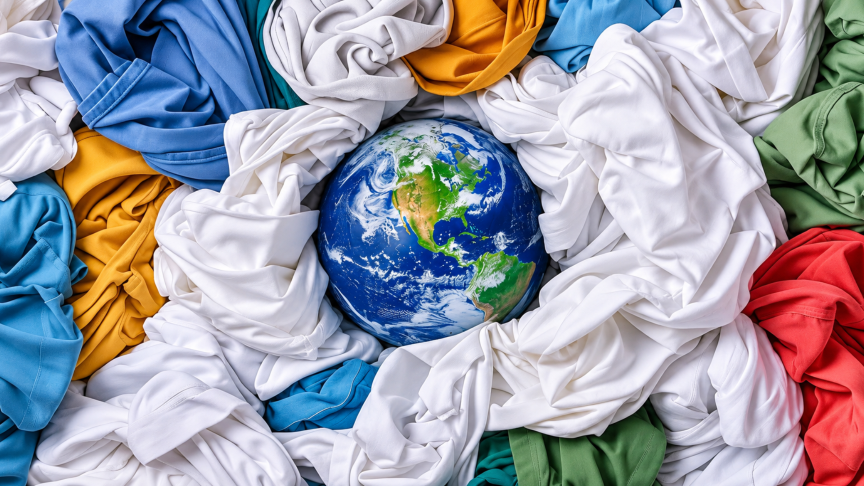
Fashion illustrates this connection. Fast fashion makes inexpensive, trend-led clothing available, but frequent replacement increases resource use and waste. The European Environment Agency identifies textiles as a source of environmental pressures, while synthetic fabrics can release microfibres. Yet this pattern is not limited to clothing: event decorations, novelty accessories, and promotional merchandise can follow the same cycle when their appeal quickly expires.
Temporary products also serve purposes. Celebrations, exhibitions, and campaigns may require materials for a limited period. The challenge is not to eliminate these experiences, but to consider whether products can be used again. Durable designs, rental, shared equipment, careful purchasing, and collection can extend usefulness. Reuse works best when products withstand repeated use and can be repaired.
Businesses and consumers influence what happens. Organisations can plan quantities, choose reusable materials, and arrange return systems. Consumers can pause before buying and favour quality over rapid replacement. These choices help reduce unnecessary demand, while recycling remains valuable when products reach the end of their useful life. Preventing waste and extending product life should come first.
Trends will continue to change, and temporary experiences will remain part of life. The sustainability challenge is to ensure that their value does not end with avoidable waste. When products are designed for longer use and choices are made thoughtfully, convenience and creativity can coexist with a more circular future.
SOURCES: