

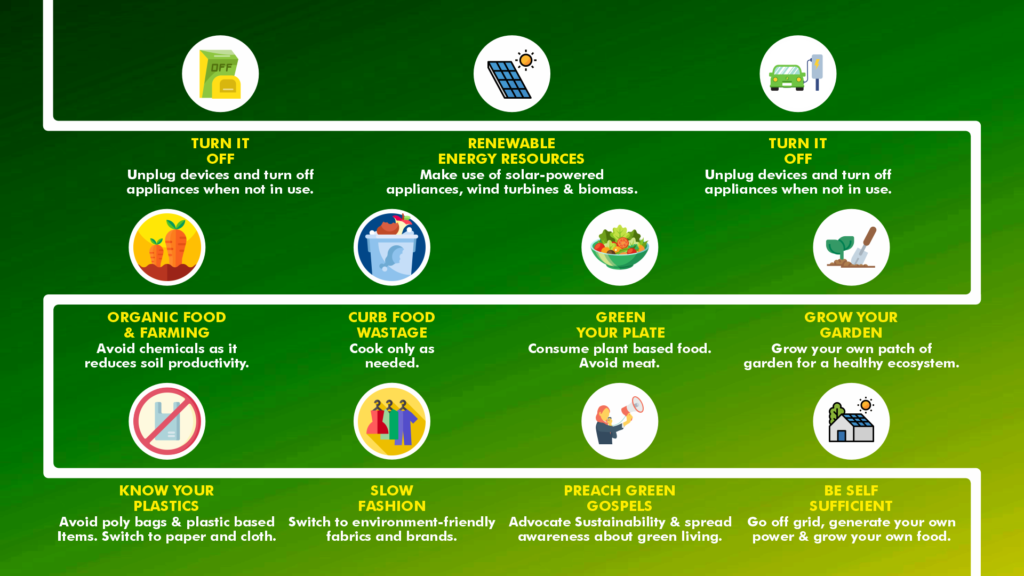
Sustainability was once viewed as a responsibility—something discussed in policy circles, environmental campaigns, or corporate reports. Today, it has evolved into something more personal. It is no longer only about reducing harm to the planet; it is about how people choose to live, consume, travel, and define identity. In many ways, sustainability has become a lifestyle shaped by culture and conscience.
This shift has been driven by growing awareness of climate change, resource depletion, and environmental degradation. Sustainable living is essential to balancing economic growth, environmental protection, and social well-being. As these concerns became more visible, consumers began seeking products and experiences that reflected their values. Reusable fashion, plant-based diets, eco-tourism, electric mobility, and conscious consumption are now seen as aspirational choices.
Brands and companies have equally contributed to driving this broader cultural shift. Companies increasingly promote sustainability not as sacrifice, but as innovation and sophistication. Global firms have demonstrated that environmentally conscious products can symbolize quality and progress. Social media further accelerated this movement, transforming sustainable habits into lifestyle trends shared across digital communities.
A key reason for sustainability’s growing popularity is its seamless presence in daily life. Small choices—carrying reusable bottles, supporting local businesses, reducing waste, or choosing ethical brands—allow individuals to feel connected to a broader purpose. Research from the World Economic Forum highlights how younger generations increasingly prefer brands and lifestyles aligned with environmental and social responsibility, reinforcing sustainability as both a market force and cultural identity.
In India, sustainability is steadily advancing through evolving lifestyles shaped by traditional values alongside contemporary innovation. The rise of eco-friendly startups, millet-based diets, electric vehicles, and sustainable fashion reflects how environmental consciousness is increasingly influencing urban consumer culture while reconnecting with practices embedded in Indian society.
Sustainability today is not just an environmental idea; it is a reflection of changing lifestyles and priorities. People increasingly view eco-conscious living as modern, responsible, and socially meaningful. As sustainability becomes woven into everyday choices, it continues to shape how individuals express values, identity, and their vision for the future.
SOURCES: