

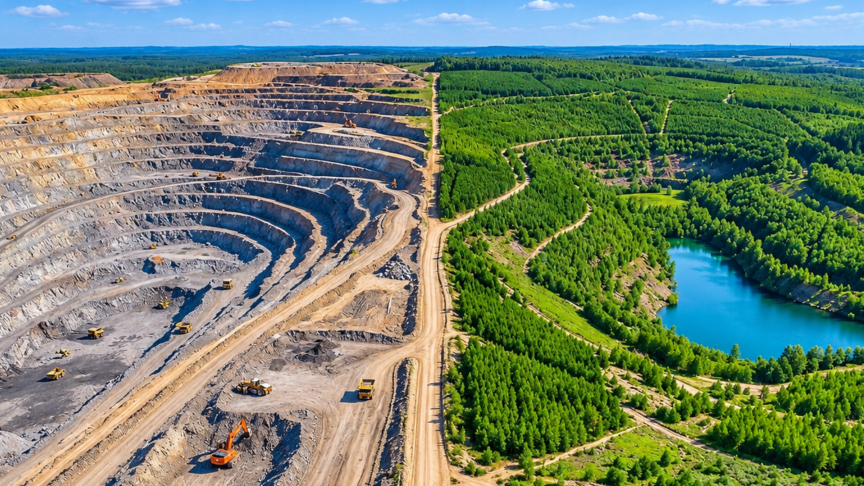
Mining supports modern life, from infrastructure to clean-energy technologies. Yet every mine is also part of a natural landscape, shaped by forests, rivers, soils, wildlife, and the communities that depend on them. As demand for minerals grows, the challenge is no longer simply how to extract resources efficiently. It is how to safeguard the ecological character of the places where mining takes place.
Responsible mining begins before extraction. Careful site selection and environmental assessments help identify sensitive habitats, water systems, and areas of high biodiversity that should be avoided or protected. The International Finance Corporation’s biodiversity standard emphasises assessing ecosystem risks and applying a mitigation approach that prioritises avoiding impacts, minimising unavoidable damage, restoring affected habitats, and addressing residual impacts where appropriate. This makes landscape protection part of mine planning rather than an afterthought.
During operations, effective environmental management remains essential. Responsible practices include conserving water, controlling dust and emissions, managing waste rock and tailings safely, and preventing contaminated runoff from reaching rivers and groundwater. These measures reduce pressure on ecosystems and protect resources that sustain nearby communities. Transparent monitoring and engagement with local stakeholders also strengthen accountability, particularly where mining may affect livelihoods or culturally significant landscapes.
The responsibility does not end when extraction stops. Rehabilitation should be planned from the outset and carried out progressively, allowing disturbed land to be stabilised and restored while the mine is operating. Replacing topsoil, reshaping landforms, re-establishing native vegetation, and monitoring ecological recovery can help former mining areas support conservation, forestry, or other locally appropriate uses. Mine closure plans must also address long-term water quality, waste facilities, and post-closure risks.
Ultimately, responsible mining is measured not only by the minerals produced, but also by the condition in which landscapes are left behind. Protecting nature requires sound regulation, credible environmental standards, community participation, and oversight throughout a mine’s life cycle. As mineral demand continues to rise, the industry’s ability to respect ecological limits will be central to ensuring resource development does not come at the expense of the natural landscapes that sustain life.
SOURCES:
- https://www.greenpeace.org/international/story/84319/how-protect-nature-territorial-rights-mining-rush/
- https://www.sgu.se/en/itp308/knowledge-platform/3-mining-environment/
- https://www.icmm.com/responsible-mining
- https://www.oecd.org/en/topics/sub-issues/due-diligence-guidance-for-responsible-business-conduct/responsible-mineral-supply-chains.html