
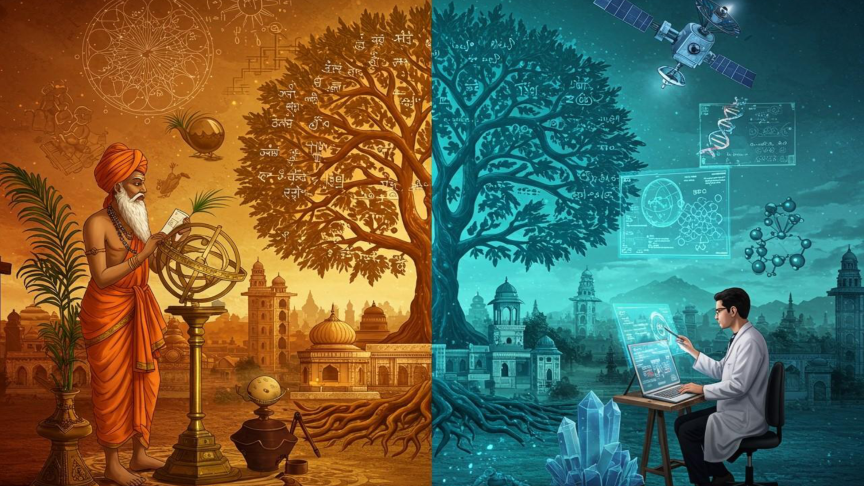
Ancient knowledge has travelled through stories, manuscripts, traditional practices, and wisdom passed between generations. These traditions have shaped societies’ understanding of nature, health, architecture, and the world. Yet, as languages evolve and historical records deteriorate, knowledge risks becoming inaccessible. Today, technology is opening possibilities for preserving these treasures and reconnecting them with life.
Digital archives, artificial intelligence, and advanced imaging are changing how ancient knowledge is discovered and understood. Fragile manuscripts can be digitised, allowing researchers to examine historical texts without handling originals. AI-assisted text recognition makes handwritten documents searchable, while translation tools help researchers explore unfamiliar languages. Knowledge once confined to specialised collections can now reach classrooms and researchers.
Beyond written records, technology is transforming how cultural traditions are experienced and shared. Digital recordings preserve oral histories, traditional music, and craft techniques, while three-dimensional modelling and virtual reality recreate historical structures and cultural spaces. These tools encourage younger generations to engage with heritage in new ways. They also enable renewed exploration of traditional agricultural practices, architectural principles, and natural resource management, connecting inherited wisdom with contemporary challenges.
In India, the Gyan Bharatam Mission supports efforts to survey, conserve, and digitise manuscript heritage. By improving access to historical texts, it can help researchers, educators, and readers explore the country’s intellectual traditions. These efforts can also preserve ancient insights into science, mathematics, medicine, and philosophy for future generations.
However, technology alone cannot preserve the meaning of the past. Historical texts require careful interpretation, translations must retain cultural context, and traditional communities deserve recognition when their knowledge is documented and shared. Responsible preservation must combine digital innovation with scholarly expertise and respect for cultural ownership.
Technology does not replace ancient wisdom; it creates new ways to discover its value. By bringing historical knowledge into contemporary conversations, digital tools help traditions remain accessible and relevant. What once survived through fragile manuscripts and fading memories can inspire fresh research, learning, and discovery. The past becomes more than a record of what existed; it becomes a living resource for the future, connecting generations through shared heritage and innovation.
SOURCES: