

Climate adaptation was once seen as a response to what happened after a flood, drought or heatwave. Today, that idea is changing. As climate risks become harder to separate from everyday decisions, adaptation is finding a place at the heart of development. It is shaping not only how communities respond to disruption, but how they prepare for what may come.
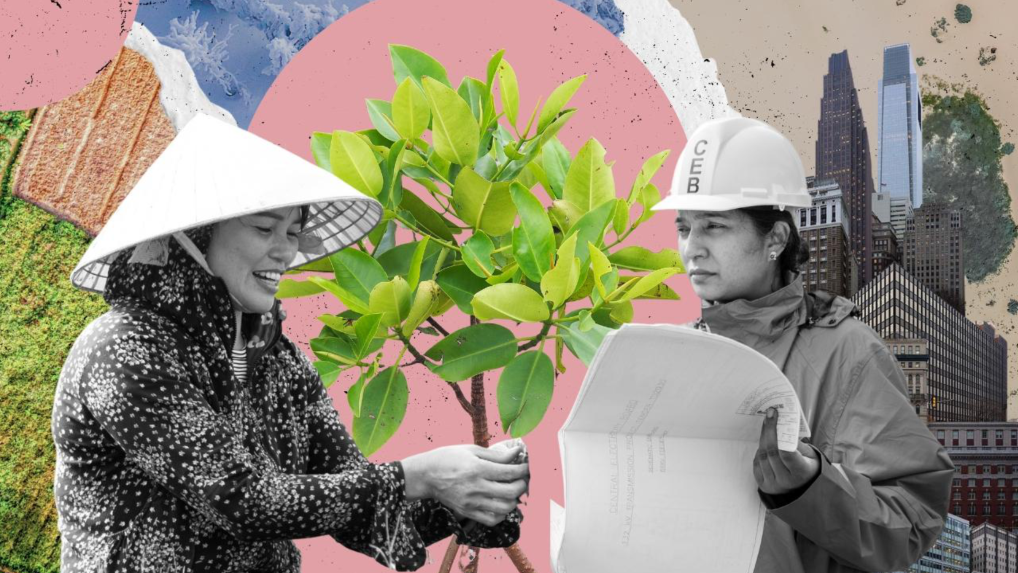
A road, housing project or water system is built to serve people for years. If it ignores changing rainfall, rising temperatures or stronger storms, its value can be undermined. Climate-resilient development therefore brings adaptation into decisions about infrastructure, services, livelihoods and economies. The shift is also visible beyond infrastructure, as farmers adapt crops and water-management practices, cities prepare for heat and flooding, and communities restore ecosystems that can reduce climate risks.
Rather than being added after development is planned, adaptation is becoming part of how development is imagined. The IPCC’s concept of climate-resilient development reflects this relationship between climate action and sustainable development. This matters because climate shocks can erase years of progress; protecting livelihoods, public services and productive assets before a crisis can help communities absorb disruption without losing the gains they have built.
India offers a clear example. With more than 80% of its population living in districts at risk from climate-induced disasters, adaptation is increasingly tied to agriculture, groundwater, flood management and infrastructure. These efforts show how climate considerations can become part of future development choices.
Yet making adaptation a development priority requires more than planning. Finance remains a major constraint, with UNEP estimating that developing countries could need US$310–365 billion a year for adaptation by 2035, far above current international public flows. Closing this gap will require adaptation to be treated as an investment in development rather than an expense that follows disaster.
The future of adaptation is therefore not simply about responding when climate shocks arrive. It is about making resilience part of decisions taken before they do, protecting what has been built while preparing communities, economies and infrastructure for what lies ahead.
SOURCES:
- https://www.worldbank.org/en/publication/rising-to-the-challenge-climate-adaptation-resilience
- https://www.ipcc.ch/report/ar6/wg2/chapter/chapter-18/
- https://wedocs.unep.org/items/b547996e-14ee-4f1c-a6d4-b811dd373ae9
- https://www.worldbank.org/en/country/india/brief/advancing-climate-adaptation-building-resilience-to-climate-change-in-india