

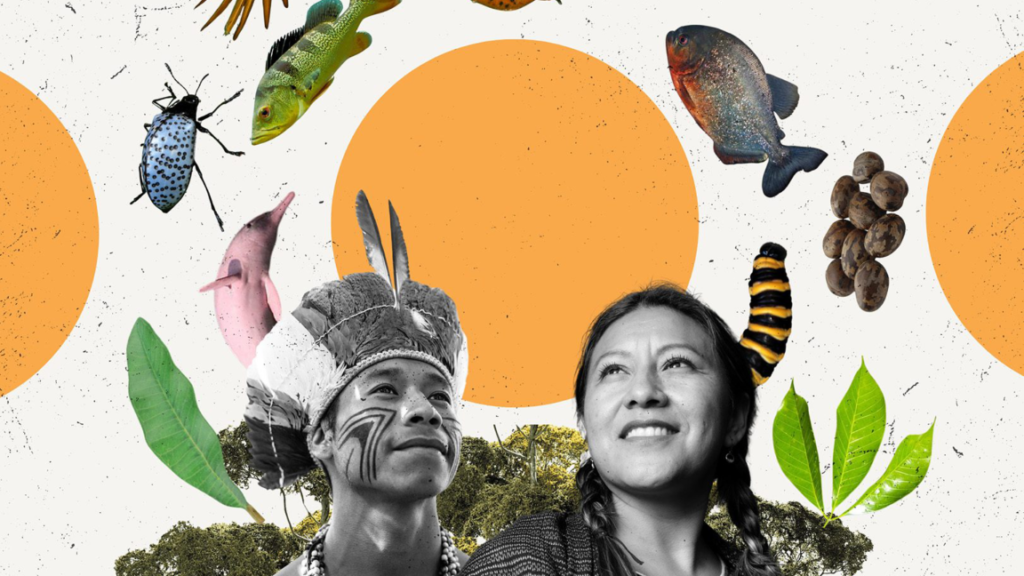
For generations, Indigenous communities have understood nature not simply as a source of resources, but as part of life. Knowledge about forests, water, crops, and wildlife developed through close observation and passed from one generation to another. Before sustainability became a global priority, these relationships shaped ways of living within local ecological limits.
Today, this traditional knowledge is finding a place in sustainability conversations. As climate change, biodiversity loss, and resource pressures challenge conventional approaches, long-established practices offer valuable insights. Traditional food systems, for example, bring together farming, pastoralism, fishing, gathering, and related activities in ways that can support food diversity and resilience. The Food and Agriculture Organization recognises their contribution to sustainable food-system transformation.
The value of this knowledge extends beyond food production. Communities have traditionally observed rainfall, temperature, vegetation, animal behaviour, and seasonal changes to guide decisions about natural resources. When considered alongside scientific research, such knowledge can provide a locally grounded understanding of environmental change. UNESCO highlights the contribution of Indigenous and local knowledge to climate adaptation, resilience, and decision-making.
India offers an important illustration of this relationship with nature. Traditional practices among Indigenous and forest-dependent communities include knowledge connected with biodiversity, water, forests, and seasonal resources. The Forest Rights Act, 2006 also recognises community rights related to biodiversity, traditional knowledge, and the protection, regeneration, conservation, and sustainable management of community forest resources.
Just as importantly, bringing this wisdom into modern sustainability requires meaningful participation from the communities that hold it. Knowledge cannot simply be extracted, repackaged, and applied elsewhere without recognising cultural context, rights, and experience. Contemporary approaches are increasingly bringing knowledge holders and scientists together, allowing traditional understanding and scientific evidence to inform one another.
Modern sustainability does not have to choose between traditional wisdom and technology. Place-based experience offers long-term ecological understanding, while science provides new tools for measuring and responding to environmental challenges. Together, they can support sustainability practices that are more adaptive, locally grounded, and connected to the communities and ecosystems they are designed to protect.
SOURCES:
- https://climatepromise.undp.org/news-and-stories/indigenous-knowledge-crucial-fight-against-climate-change-heres-why
- https://openknowledge.fao.org/items/c1fae3bd-7e08-4985-b406-e103087b2bb5
- https://www.unesco.org/en/climate-change/links
- https://www.unesco.org/en/articles/harnessing-indigenous-knowledge-climate-risk-management