

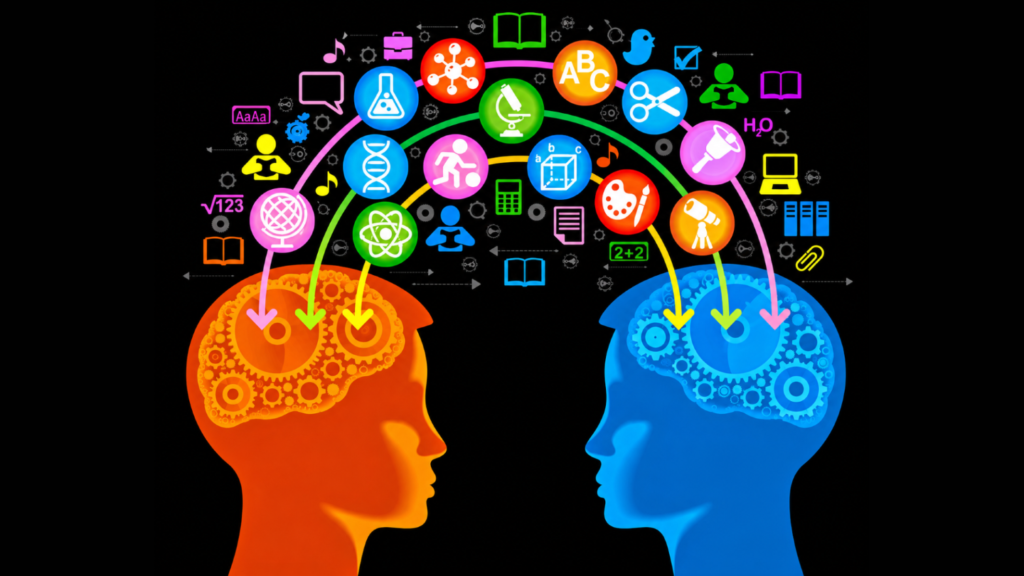
The greatest challenge of the digital age is not a lack of information but an excess of it. Every notification, headline, email, and social media update adds to an ever-growing stream of content competing for our attention. As the volume of information continues to expand, understanding it becomes far more important than simply accessing it. In today’s interconnected world, knowledge is defined not by how much information we gather, but by our ability to evaluate it critically, draw meaningful conclusions, and apply it with purpose.
This shift marks the journey from information load to knowledge empowerment. Facts alone rarely lead to better decisions. They become meaningful when viewed through context, experience, and critical thinking. As digital ecosystems continue to expand, success comes less from collecting information and more from recognising what truly matters.
Technology is also reshaping how this transformation unfolds. Advances in artificial intelligence, data analytics, and personalised learning platforms are helping people interpret complex information more clearly and act with confidence. Rather than presenting endless content, these tools organise information, highlight meaningful patterns, and support informed decisions. Technology is most valuable when guided by human judgement and ethical reasoning, allowing insight to surpass information alone.
The same evolution is influencing workplaces. Rather than simply managing information, organisations are building workplace cultures where knowledge is shared, applied and continuously developed. Innovation today depends less on information alone and more on collaboration, continuous learning, and informed decision-making. In this environment, the ability to turn knowledge into meaningful action is becoming a defining advantage.
India is advancing this transition through initiatives that strengthen digital access and learning opportunities. Platforms such as DIKSHA, the National Digital Library of India, and the country’s expanding Digital Public Infrastructure are helping learners and professionals convert digital resources into meaningful knowledge, supporting a more inclusive, future-ready economy.
The future belongs not to those with the greatest access to information, but to those who can derive the greatest value from it. As digital ecosystems continue to evolve, the ability to transform information into sound judgment, confident decision-making, and meaningful action will become a defining competitive advantage. In the knowledge economy, this capability will inspire innovation, reinforce resilience, and shape sustainable progress for individuals, organisations, and societies alike.
SOURCES: