

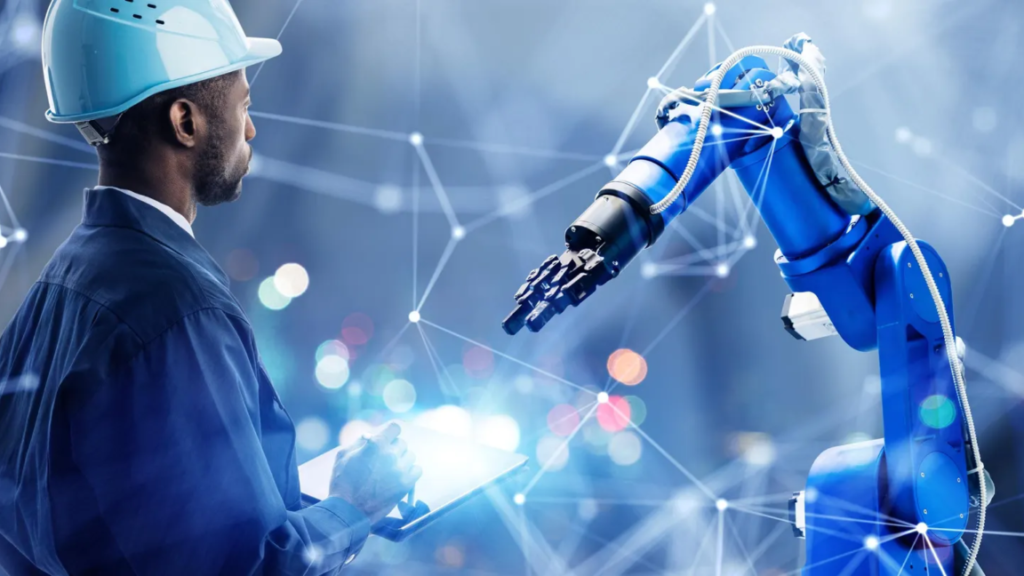
For years, people have relied on experience, observation, and physical inspections to understand how buildings, machines, and entire cities perform. While these methods have guided planning and operations for decades, they often provide only a snapshot in time. Today, digital twins are changing that perspective by creating living virtual replicas that continuously reflect what is happening in the physical world.
Unlike static models, digital twins are connected to real-time data through sensors and digital networks. As conditions change, their virtual counterparts change as well, allowing organisations to identify potential issues, explore different scenarios, and respond with greater confidence before making decisions in the real world. What was once largely reactive is becoming increasingly proactive.
The reach of digital twins has grown far beyond the factory floor, extending into sectors that shape everyday life. In healthcare, they could support more personalised treatment planning by modelling patient-specific conditions. Smart buildings can optimise energy use and simplify maintenance, while cities can better access traffic flows, infrastructure resilience, and disaster preparedness. Across workplaces, digital twins help improve efficiency, reduce downtime, and create safer environments by identifying potential risks before they become costly disruptions.
India’s digital transformation is opening new possibilities for digital twins across smart infrastructure, urban planning, advanced manufacturing and transport. Growing emphasis on smart cities and Industry 4.0 is further accelerating their adoption, helping strengthen public services, enhance operational capabilities, and support more sustainable development.
This transformation reflects the growing integration of intelligent digital systems into everyday life. Ongoing advances in artificial intelligence, the Internet of Things, cloud computing, and data analytics are enhancing the capabilities of digital twins, allowing organisations to better anticipate change, assess different possibilities, and respond with greater confidence.
Digital twins are not intended to replace human judgement or practical expertise. Instead, they provide a clearer understanding of complex systems, helping people prepare for challenges before they arise. As homes, workplaces, industries, and cities become increasingly interconnected, digital twins could help build a future with more resilient systems, greater efficiency, and better outcomes for the way we live and work.
SOURCES: