

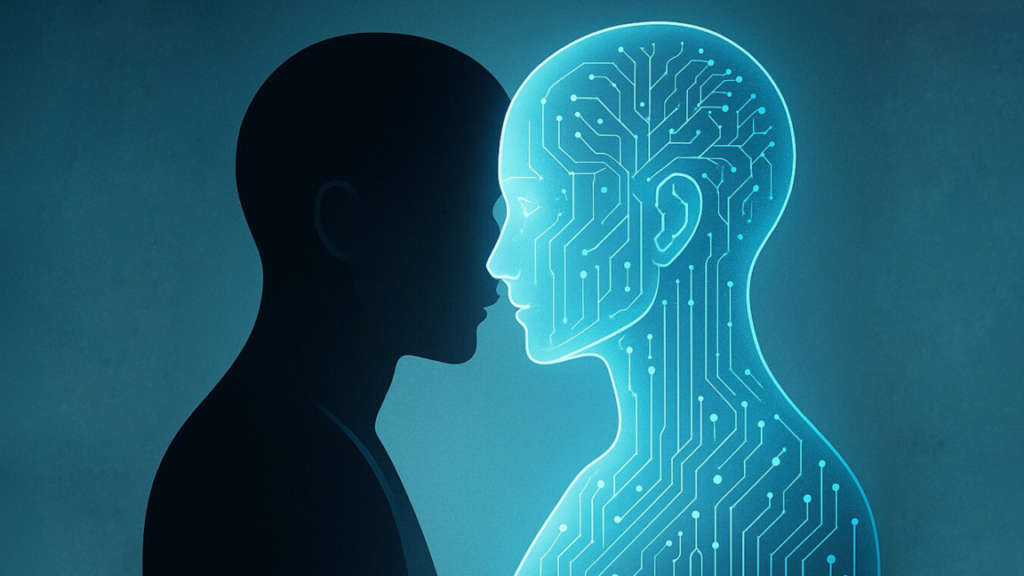
Identity has never been something fixed. It is shaped by experiences, relationships, beliefs, and the ways people interact with the world around them. For centuries, those influences came primarily from families, communities, institutions, and culture. Today, a new force is becoming influential in shaping how people see themselves: technology.
The technologies emerging today are doing far more than improving convenience or efficiency. Artificial intelligence, immersive virtual environments, biotechnology, and brain-computer interfaces are influencing how individuals learn, communicate, create, and make decisions. As these tools become more integrated into everyday life, they are affecting the ways people express their personalities, build relationships, and define their sense of self.
This transformation is taking place across both the physical and digital worlds. Today, people can already present different sides of themselves on online platforms. As virtual and augmented reality continue to evolve, they may create immersive spaces where people work, interact, and socialise through digital identities. Meanwhile, biotechnology is making it possible to enhance human abilities in new ways, prompting important questions about the line between natural human potential and technological enhancement.
Just as importantly, these developments are reshaping collective identity. Communities are increasingly formed around shared digital experiences rather than geography alone. According to UNESCO and the World Economic Forum, emerging technologies offer opportunities for creativity, accessibility, and innovation, while also prompting discussions about privacy, autonomy, fairness, and human dignity.
In India, these shifts are becoming more visible as digital adoption accelerates. Initiatives such as the IndiaAI Mission and the expansion of digital public infrastructure are bringing AI-powered services to millions of people. As technology becomes embedded in daily life, conversations around responsible innovation, inclusion, and digital rights are gaining importance across sectors.
This evolution reflects a broader change in the relationship between humans and technology. Future technologies are not creating new tools; they are influencing how people understand themselves and their place in society. The challenge is not whether technology will shape human identity, but how societies can ensure that this transformation remains guided by human values, purpose, and choice.
SOURCES:
- https://www.forbes.com/sites/federicoguerrini/2025/04/02/ai-in-2035-how-technology-will-reshape-human-identity/
- https://www.psychologytoday.com/us/blog/experimentations/202512/how-ai-is-reshaping-human-psychology-identity-and-culture
- https://www.researchgate.net/publication/388669419_The_Role_of_Technology_in_Redefining_Human_Identity_and_Society