

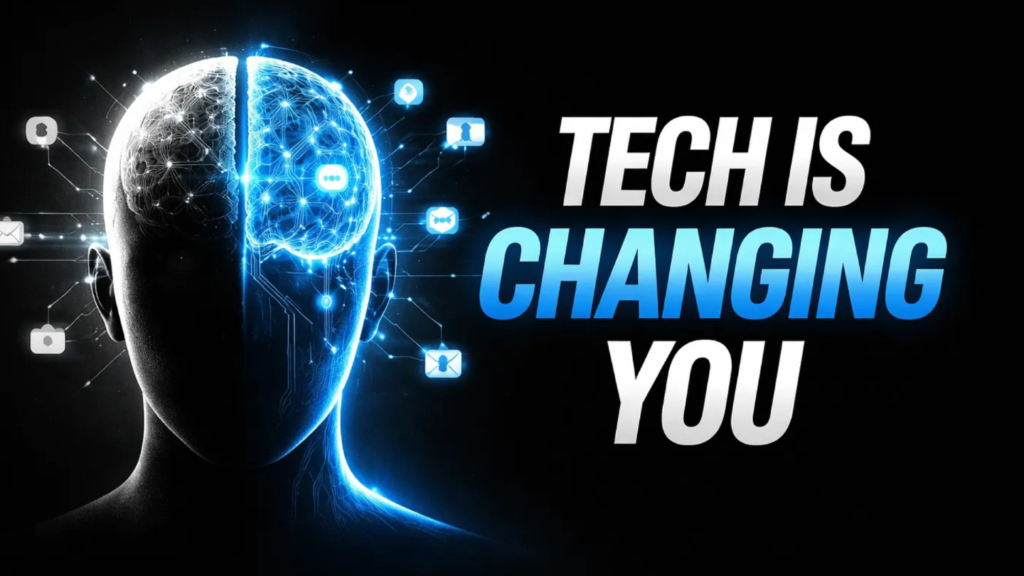
The role of technology in human life has evolved far beyond simplifying tasks or improving communication. Today’s smart technologies are designed to understand patterns, adapt to individual preferences, and respond proactively to changing needs. Whether through smartphones, wearable devices, AI-powered assistants, or connected homes, technology is increasingly woven into everyday life, subtly shaping routines, influencing decisions, and redefining the relationship between people and the digital world.
This shift reflects a broader change in the relationship between people and technology. Many routine decisions that once required conscious effort—choosing a route, managing schedules, tracking health, or finding information—are now guided by intelligent systems. By reducing friction and simplifying daily tasks, smart technologies have encouraged greater convenience while reshaping expectations around speed, personalization, instant access, and seamless digital experiences.
Just as importantly, the influence of smart technologies often extends beyond the tasks they perform. The suggestions people receive, the content they encounter, and the goals they pursue are increasingly informed by intelligent systems that learn from everyday interactions. Over time, these subtle influences reshape habits, expectations, and patterns of behavior, illustrating that technology is no longer simply responding to human actions—it is quietly influencing the environment in which those actions take shape and the decisions that follow.
In India, this transformation is becoming increasingly visible. Widespread smartphone adoption, digital payments, AI-enabled services, and smart city initiatives are reshaping how people access services, manage finances, and engage with both public and private institutions. As digital ecosystems expand, smart technologies are becoming an integral part of everyday life, fostering greater connectivity, accessibility, and digital participation across urban and emerging markets.
This evolution is not about replacing human judgment but redefining how it is exercised. The challenge lies in ensuring that convenience does not come at the cost of critical thinking, privacy, or meaningful human interaction. As smart technologies continue to evolve, their greatest impact will not be measured by how intelligent they become, but by how thoughtfully people choose to live, adapt, and thrive alongside them.
SOURCES: