

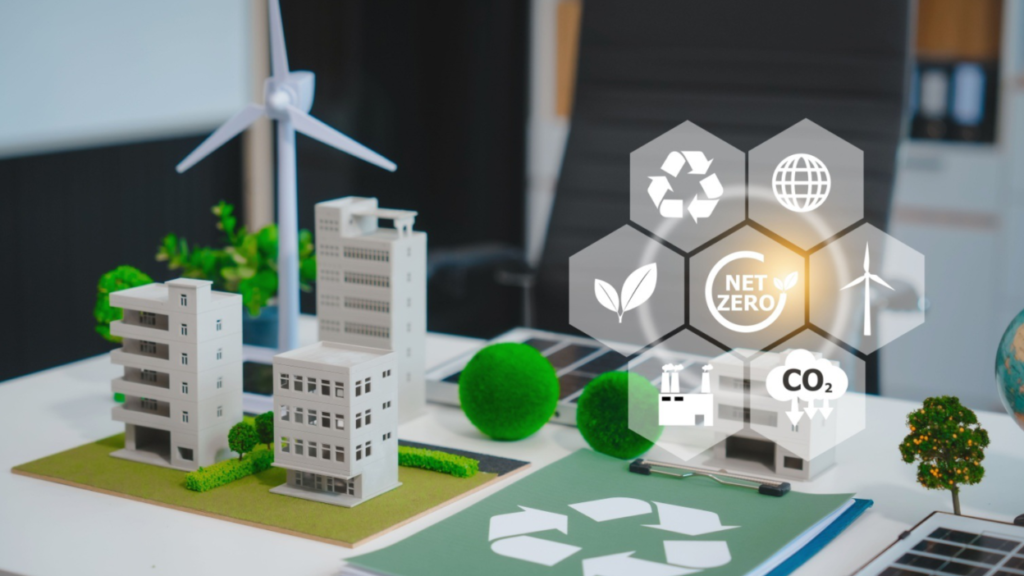
For decades, growth has been closely tied to progress. Expanding industries, rising consumption, and increasing production became symbols of development for nations across the world. Today, however, that understanding of growth is beginning to evolve. In a world shaped by finite resources and environmental strain, the question is no longer simply how fast economies can expand, but how sustainably they can do so.
Modern economic systems were built during a time when resources appeared abundant and environmental consequences felt distant. However, the growing impacts of climate change, declining natural resources, biodiversity degradation, and increasing waste have made these limitations impossible to ignore. Organizations such as the United Nations and the World Bank continue to emphasize that long-term prosperity can no longer be separated from environmental stability.
This shift is influencing the way governments, businesses, and communities think about development. Circular economies, renewable energy systems, and sustainable infrastructure are increasingly becoming part of mainstream economic planning. Innovation, too, is being redefined. It is no longer focused solely on increasing output, but on ensuring production remains efficient, resource-conscious, and environmentally responsible.
Technology has become an important part of this transition. Cleaner manufacturing systems and sustainable supply chains show that economic activity and environmental responsibility can move together rather than in conflict. At the same time, technology alone cannot reshape the future if patterns of overconsumption remain unchanged. Lasting progress also depends on collective choices and a broader understanding of sustainable prosperity.
In the Indian context, this transition carries particular importance. Rapid urbanization and industrial growth continue to place increasing pressure on natural resources. At the same time, investments in renewable energy, green mobility, and sustainable infrastructure reflect a growing effort to align development goals with long-term environmental responsibility.
Rethinking growth does not mean stepping away from progress. Instead, it reflects a changing understanding of what progress should achieve in a resource-constrained world. The future may belong not to economies that consume the most, but to those that learn how to grow with greater balance, efficiency, and responsibility.
SOURCES:
- https://www.worldbank.org/en/topic/environment/publication/environment-strategy-toward-clean-green-resilient-world
- https://blogs.worldbank.org/en/opendata/does-gdp-growth-necessitate-environmental-degradation
- https://www.unep.org/news-and-stories/press-release/un-calls-urgent-rethink-resource-use-skyrockets
- https://www.unep.org/resources/report/global-material-flows-and-resource-productivity-assessment-report-unep